
Pheasant Shooting Season UK 2026/27: Dates, Rules & Tips
The pheasant is the backbone of British game shooting. Whether you're stood on a peg on a big driven day, walking hedgerows with a spaniel, or joining a small rough shoot with friends, it helps to know exactly when the season runs and what the law says. This guide covers the UK pheasant season dates for 2026/27, the rules you need to know, how to tackle high driven birds, and how ShotKam can help you work out what's going wrong when the birds keep sailing on.
When is pheasant season in the UK?
The pheasant shooting season runs from 1 October to 1 February in England, Scotland and Wales. In Northern Ireland it runs from 1 October to 31 January.
Pheasant season 2026/27 at a glance
- Season opens: Thursday 1 October 2026.
- Christmas Day: Friday 25 December 2026. Game can't be shot on Christmas Day in England and Wales.
- Last day (England, Scotland and Wales): Monday 1 February 2027.
- Last day (Northern Ireland): 31 January 2027 falls on a Sunday, when game can't be shot there. In practice, that makes Saturday 30 January 2027 the last shooting day.
Last season was a little different. 1 February 2026 fell on a Sunday, and because game can't be taken on a Sunday in England and Wales, the 2025/26 season effectively finished on Saturday 31 January. This season, 1 February is a Monday, so you get the full season.
Other UK game seasons
If you shoot more than pheasants, these are the other main game bird seasons in England, Scotland and Wales (Northern Ireland dates differ, so check locally):
- Partridge (grey and red-legged): 1 September to 1 February.
- Red grouse: 12 August to 10 December.
- Black grouse: 20 August to 10 December.
- Woodcock (England and Wales): 1 October to 31 January.
Pheasant shooting rules you need to know
Game birds are protected outside their open seasons by the Game Act 1831 and the Wildlife and Countryside Act 1981. The key rules for pheasant shooting are:
- Season dates: only shoot pheasants during the open season above.
- Sundays and Christmas Day: in England and Wales, game can't be killed or taken on a Sunday or on Christmas Day. In Scotland there's no statutory ban on shooting game on these days, but by long custom it isn't done. In Northern Ireland, game can't be shot on Sundays.
- Night: game can't be shot at night.
- Licensing: you need a valid shotgun certificate (or a firearms certificate, depending on what you're using), and you must be shooting with the permission of whoever holds the shooting rights.
Insurance is strongly recommended. Membership of BASC or the Countryside Alliance includes it. If you're new to game shooting, BASC and the GWCT both publish clear guides to the law and the seasons.
This is a general guide, not legal advice. Always check the current rules for your part of the UK.
Early season vs late season pheasants
October and early November. Many birds are young and the cover is still thick. Lots of shoots focus on partridge early and bring pheasants into the bag as the leaves come down. Birds can be lower and more reluctant to fly well.
Mid-November to December. This is the heart of the season. The cover thins, birds are mature and strong on the wing, and drives produce the classic tall, curling pheasants that driven shooting is known for.
January. Late-season birds are wily, fit and fast. Many shoots hold cocks-only days towards the end of the season to leave hens for breeding. Birds tend to run, flush wild and fly high and hard. In cold weather they gather in sheltered woodland, game cover and thick hedgerows, and you'll often find them close to food. For more on hunting wary late-season birds, read Hunting Late-Season Pheasants.
Driven, walked-up and rough shooting
There are three main ways to shoot pheasants in the UK:
- Driven shooting: beaters push birds over a line of Guns standing at numbered pegs. Pegs are usually drawn at the start of the day, and Guns move along a set number of places between drives. Bag sizes, birds and prices vary widely between shoots.
- Walked-up shooting: Guns walk in a line through cover, flushing birds ahead of them, often with dogs working alongside.
- Rough shooting: a smaller, informal day, often just a few friends and dogs walking hedgerows, field margins and woodland edges for a mixed bag.
How to shoot high pheasants
A tall, curling pheasant is one of the great challenges in shotgun shooting. Even very good shots miss plenty. The most common problems, and how to fix them:
1. Start with the right footwork and posture
Stand with your weight slightly forward and your feet set so you can rotate easily towards the bird. Many misses on high birds come from leaning back and dropping the shoulder, which lifts the head off the stock. Stay tall and keep your head on the gun.
2. Mount smoothly and move with the bird
Pick the bird up early, match its speed with the muzzles, then mount smoothly as you move. A rushed, snatched mount on a high bird usually leads to a stopped gun and a shot behind.
3. Give it enough lead and keep the gun moving
The biggest cause of misses on high pheasants is shooting behind. At height and range, the bird needs far more forward allowance than most people expect. And if the gun stops at the moment you pull the trigger, the shot will go behind even when your lead looked right. Follow through. Our post on the problem of interpreting lead explains why lead is so hard to judge by eye.
4. Read the curl
Wind makes pheasants drift and curl, especially on breezy days. A curling bird is dropping and sliding sideways as well as moving forward, so you need to stay with its line rather than shooting where it was.
5. Know your limits
Only shoot birds you're confident of killing cleanly. Shoot within your range and leave the ones that are too high or too far. Good shoots and good hosts appreciate Guns who choose their birds well.
Shoot day etiquette
If you're new to driven days, a few points will make you a welcome Gun:
- Safety comes first. Know your safe arcs, never swing through the line, and never shoot at low birds.
- Know who's beside you and don't take their birds.
- Pay attention to the host's and keeper's briefing about the signals for starting and ending each drive and any ground game rules.
- Mark where your birds fall and help the pickers-up.
- Say thank you to the keeper, and tip them. Ask your host what's customary.
Why game shooters use ShotKam
On a driven day you might only get a handful of chances at a really high bird, and with a bird sailing on unharmed, it's almost impossible to tell what went wrong. Were you behind? Over the top? Did you stop the gun?
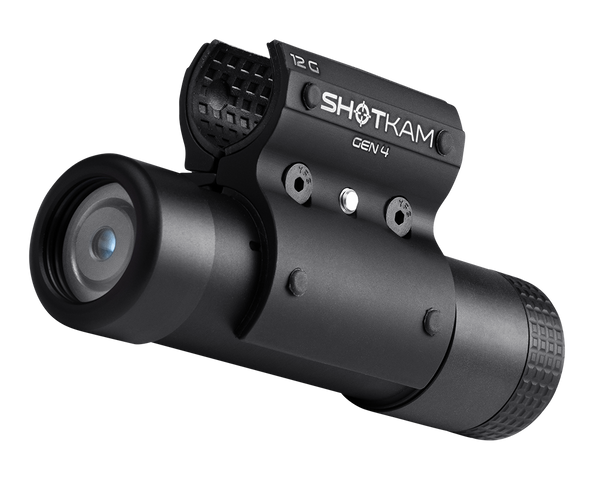
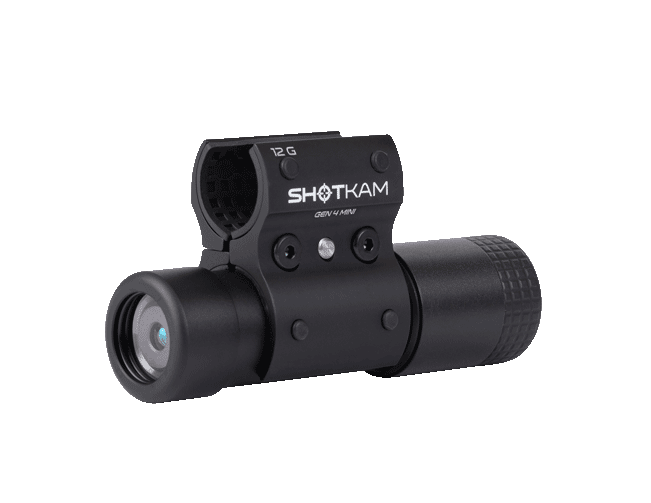
ShotKam mounts on your barrel and records what the gun saw at the moment of the shot, with a reticle showing exactly where the barrel was pointing. Watch it back after the drive and you'll know straight away whether you need more lead, a smoother mount or better follow-through. That means you improve over a few days rather than a few seasons.
It also captures brilliant memories of your days out, from the first high bird of the season to a memorable drive with friends. If you're a guest, it's always polite to mention to your host that you're using a camera. See ShotKam on real UK game days in our UK game bird shooting video, plus driven pheasant and driven partridge footage.
After a wet day in the field, don't forget the gun: here's how to clean your shotgun after a wet day.
Pheasant season FAQs
When does pheasant season start in the UK?
1 October across the UK. In 2026 that was Thursday 1 October.
When does pheasant season end in the UK?
1 February in England, Scotland and Wales, which in 2027 is Monday 1 February. In Northern Ireland the season ends on 31 January.
Can you shoot pheasants on a Sunday?
Not in England and Wales, where game can't be shot on Sundays or Christmas Day. In Scotland there's no statutory ban, but by custom game isn't shot on Sundays. In Northern Ireland, game can't be shot on Sundays.
Where do pheasants go in the winter?
As the weather turns colder, pheasants gather in sheltered places close to food: woodland, game cover crops, thick hedgerows, reed beds and field margins. Late in the season they become warier and are more likely to run or flush wild.
What is a cocks-only day?
Many shoots hold cocks-only days near the end of the season, when only cock pheasants are shot. Hens are left to breed the following spring.
More Articles You Might Like

Pigeon Shooting in the UK: The Complete Guide
Can you shoot pigeons in the UK? When's the best time of day and year? How should you set out decoys and where should you aim? Our comple...

Christmas Gift Ideas for Shooters & Hunters (UK 2026)
Stuck for a Christmas present for the shooter in your life? Our 2026 UK gift guide covers everything from stocking fillers under £25 to t...