
Pigeon Shooting in the UK: The Complete Guide
Woodpigeon shooting is the most accessible live-quarry shooting in the UK. It doesn't need a driven day or a syndicate place: with permission on the right farm, good fieldcraft and a well-set pattern, you can have some of the most challenging shooting there is. This guide covers what UK shooters ask most: whether you can legally shoot pigeons, the best time of day and year, how to set out decoys, and where to aim. It also shows how a ShotKam on your barrel helps you work out why birds are getting away.
Can you shoot pigeons in the UK?
Yes, but not simply because you want to. All wild birds are protected under the Wildlife and Countryside Act 1981. At the moment, woodpigeon is not on the quarry list with an open season the way pheasant or mallard are. Instead, woodpigeon shooting is carried out under general licences. These allow authorised people (landowners, occupiers and people with their permission) to control certain species for specific reasons, most commonly to prevent serious damage to crops.
Which licence applies depends on where you are:
- England: GL42, issued by Natural England for the 2026 calendar year.
- Scotland: GL02, issued by NatureScot.
- Wales: GL001, issued by Natural Resources Wales.
- Northern Ireland: general licences issued by DAERA.
You don't apply for a general licence, but you must read it and follow its conditions. In practice, that means:
- having the landowner's or occupier's permission to shoot,
- being able to show that the birds are causing, or are likely to cause, serious damage, and
- having tried or considered non-lethal methods such as scarers.
Keeping a simple record of crop damage and shooting days is good practice.
Watch this space: in 2026 Defra consulted on adding woodpigeon to the quarry list in England, Wales and Scotland. Under the proposal, there would be an open season (proposed as 1 September to 31 January), and the general licences would stay in place for year-round crop protection. At the time of writing, no final decision has been published. Always check the current licence for your country before you go out. BASC publishes clear, up-to-date guidance for members.
You'll also need a valid shotgun certificate, appropriate insurance (BASC and the Countryside Alliance membership both include it), and permission for the specific land you're shooting over.
The best time of year to shoot pigeons
Pigeon shooting follows the farming calendar. Find the food and you'll find the birds. Throughout the year, that means:
- Winter (December to March): oilseed rape is the main target. Big flocks can strip a field, so farmers welcome help. This is also the classic time for roost shooting on late-winter afternoons, as birds flight back into woods.
- Spring (March to May): freshly drilled fields of peas, beans, spring barley and linseed draw birds in. Newly sown peas in particular can bring superb decoying.
- Summer (June to July): laid patches of barley and wheat are the hotspots, where rain and wind have flattened the crop.
- Late summer and autumn (August to October): stubbles after harvest provide some of the best decoying of the year, with plenty of young birds about. Later, pigeons move onto acorns, beech mast and ivy berries, and onto newly drilled winter cereals and rape.
The best time of day to shoot pigeons
There's no single magic hour. Pigeons follow a routine, and the best results come from reading it on your own ground. As a general pattern:
- Early morning: birds leave the roost and often make for a "sitting tree" or loafing area before dropping onto the field. Early starts pay off on rape in winter.
- Mid-morning to early afternoon: in summer and on stubbles, this is often the main feeding window. It's frequently the most productive time to be in the hide.
- Afternoon: there's usually a second feeding spell before birds head home, especially in short winter days when they need to feed hard.
- Late afternoon to dusk: flighting back to the woods. Roost shooting relies on this movement, and wind and weather make a big difference. Rough, breezy days keep birds low and moving.
The single most valuable thing you can do is reconnaissance. Watch the field from a distance for an hour or two the day before. Note where the birds come from, which part of the field they land on, and what time they arrive. That tells you where to build your hide and when to be in it.
How to decoy pigeons: setting out a pattern
Decoying works because pigeons are flock birds. A group feeding confidently tells passing birds the field is safe. Your job is to make that picture convincing.
Hide placement
Build your hide on or close to the birds' flight line, ideally with the wind at your back or from the side. Pigeons land into the wind, so with the wind behind you they'll come in facing you and slowing down. Use natural cover where you can, such as a hedge or a ditch line. Take care with background so you aren't silhouetted, and keep movement to a minimum.
The pattern
A loose horseshoe or "U" shape, open towards the hide and roughly 25 to 30 yards out, is a reliable starting point. Leave a clear landing area in the mouth of the horseshoe. That's where you want birds committing.
- Face decoys mostly into the wind, with natural, uneven spacing. A neat grid looks wrong from the air.
- Start with a modest number and add shot birds to the pattern as the day goes on. Real birds set out with heads propped up are hard to beat.
- Movement draws the eye from a distance. Flappers, a rotary or a magnet can turn passing birds, but watch how birds react and switch them off if they flare away.
Read and adjust
If birds are looking but not committing, or landing short or wide of the pattern, change something. Move the landing gap, adjust spacing, or move the hide. Experienced decoyers adjust constantly. For more on fieldcraft from someone who has spent a lifetime doing it, read Geoff Garrod's A Lifetime of Pigeon Decoying and our day with the pigeon master.
Where to shoot a pigeon: shot placement and gun mount
Woodpigeons are tougher than they look. They have dense feathers and a strong breast, so clean, ethical kills come from putting the front of the pattern on the bird's head and neck, not the back end.
- Incoming birds: keep the bird in view, move with it and take it in front of you. With birds dropping into decoys, a common miss is shooting over the top as they slow and drop their feet.
- Crossing birds: pigeons are fast and can jink suddenly. Give enough forward allowance and keep the gun moving through the shot.
- Going-away birds: these are often best left unless the shot is close and clear, as body shots from behind are less reliable.
- Range: discipline matters more than cartridge choice. Know your distances (decoys at set distances help) and leave birds that are too far.
Shooting from a seated position in a hide brings its own problems. It restricts your swing, especially to your weaker side, and makes a consistent mount harder. Practise mounting from the position you'll actually be shooting in. If you're unsure which eye is doing the work, read our guide to eye dominance in shotgun sports.
Why pigeon shooters use ShotKam
Pigeon shooting gives you a lot of shots at a lot of different angles, which makes it a great way to improve. But only if you know why you missed. From a hide, it's almost impossible to see where your pattern went relative to a jinking bird.
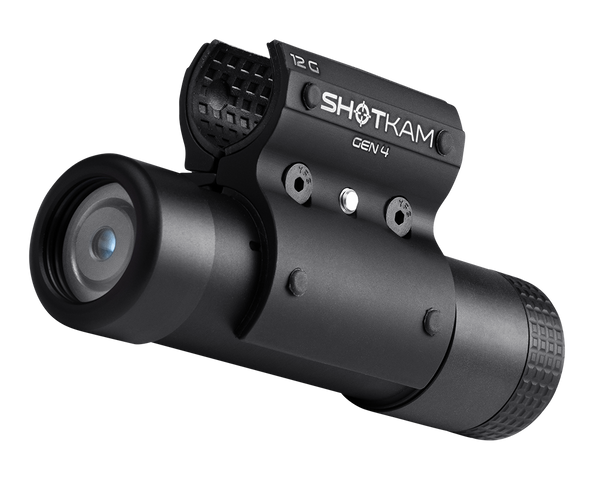
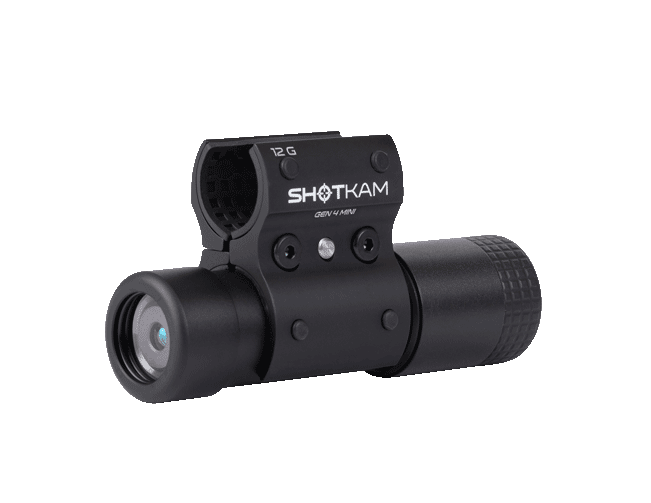
ShotKam mounts on your barrel and records exactly what the gun saw at the moment of the shot, with a reticle showing where your barrel was pointing. When you review the footage, you can see whether you were behind on the crossers, over the top of the incomers, or stopping the gun when birds flared. You can then fix it on your next outing instead of guessing.
It's also simply great footage. Decoyed birds dropping in over the pattern make some of the most exciting clips you can capture, and they're perfect for sharing with friends or showing a landowner how the day went. For more ideas, see our field-tested ShotKam tips.
Pigeon shooting FAQs
Do I need a licence to shoot pigeons in the UK?
You don't apply for one. Woodpigeon shooting is currently carried out under general licences (GL42 in England, GL02 in Scotland, GL001 in Wales). You must meet their conditions, have permission from the landowner or occupier, and hold a valid shotgun certificate.
What's the best time of day to shoot pigeons?
It depends on the season and the crop. Mid-morning to early afternoon is often the main feeding period, especially in summer and on stubbles. Early mornings are good in winter on rape, and late afternoon is the time for roost shooting. Reconnaissance on your own ground is the best guide.
What's the best time of year for pigeon shooting?
Some of the best decoying comes on stubbles in late summer and on drilled peas and beans in spring. Winter rape and late-winter roost shooting offer good sport too. Pigeons can be found year-round wherever there's food.
Where should you aim when shooting a pigeon?
Put the front of your pattern on the head and neck. On incoming birds, watch for shooting over the top as they slow to land. On crossers, give enough lead and keep the gun moving.
How far out should pigeon decoys be?
A horseshoe pattern roughly 25 to 30 yards from the hide, with the landing gap facing you, is a good starting point. Adjust it based on how birds approach.
This article is a general guide and not legal advice. Laws and licence conditions change, so always check the current general licence for your country and the latest guidance from BASC or the Countryside Alliance before shooting.
More Articles You Might Like

Pheasant Shooting Season UK 2026/27: Dates, Rules & Tips
When does pheasant season start and end in the UK? The 2026/27 dates, the Sunday and Christmas Day rules, how to shoot high driven pheasa...

Christmas Gift Ideas for Shooters & Hunters (UK 2026)
Stuck for a Christmas present for the shooter in your life? Our 2026 UK gift guide covers everything from stocking fillers under £25 to t...